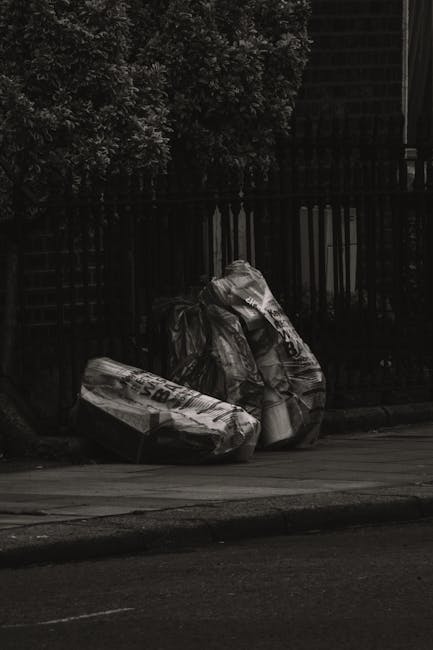
Upminster station bulky rubbish pickup and disposal guide
If you are standing near Upminster station with a sofa that no longer fits the room, a broken wardrobe waiting by the door, or a pile of awkward household clutter that you simply do not want to drag through the flat, this guide is for you. The Upminster station bulky rubbish pickup and disposal guide below explains how bulky waste removal works, what to prepare, what to avoid, and how to choose the cleanest, safest route for disposal.
Truth be told, bulky rubbish is one of those jobs people put off for weeks. It is noisy, heavy, often dusty, and usually arrives at exactly the wrong time. But once you know the process, it becomes much more manageable. This article walks you through practical options, common mistakes, local considerations, and the best next step if you want the job handled properly without the stress.
Table of Contents
- Why bulky rubbish pickup near Upminster station matters
- How the pickup and disposal process works
- Key benefits and practical advantages
- Who needs this service and when it makes sense
- Step-by-step guidance
- Expert tips for better results
- Common mistakes to avoid
- Tools, resources and recommendations
- Law, compliance, standards and best practice
- Options and comparison table
- Case study and real-world example
- Practical checklist
- Conclusion
- Frequently asked questions
Why Upminster station bulky rubbish pickup and disposal guide Matters
Bulky waste creates a different kind of problem from ordinary household rubbish. It takes up space, is awkward to move, and can quickly become a safety hazard if it is left in a hallway, stairwell, garden, or shared access route. Near a station area, where people are coming and going, that matters even more. One badly placed item can block a narrow path, make a building look untidy, or create a trip risk for residents and visitors.
In practical terms, bulky rubbish also tends to spread. One item turns into three, then a pile. A mattress gets propped against a wall, a broken table gets left outside "just for the weekend," and before long you have a mess that feels bigger than the original job. We have all seen it. It is rarely the mountain you expected, but it can become one if nobody acts.
This guide matters because it helps you avoid the usual pain points: hiring the wrong method, damaging walls or lifts, overpaying for a small load, or accidentally disposing of something that needs special handling. If you live in a flat, manage a rental, or run a business close to Upminster station, knowing your options saves time, money, and a fair bit of frustration.
Practical takeaway: bulky rubbish is easiest to remove when you sort it early, identify any special items, and choose the disposal route that matches the size and risk of the load. Simple, but effective.
How Upminster station bulky rubbish pickup and disposal guide Works
The process is usually straightforward, although the details depend on what you are removing. In most cases, bulky rubbish pickup starts with a quick assessment: what items are involved, how many there are, whether they need dismantling, and how easy they are to move from the property to the collection point.
For smaller jobs, a clearance team may collect items directly from inside the property, downstairs, or from a driveway or loading point near the station area. For larger jobs, the team may need access planning, parking consideration, or a quick route through communal spaces. That is why photos can be so useful. A few clear pictures of the items often tell the story better than a long description.
Some bulky rubbish is simple household furniture. Other items, such as fridges, freezers, mattresses, sofas, and appliances, need more careful handling. If an item contains refrigerant, electrics, contaminated material, or sharp edges, the disposal method may change. For example, appliance removal can be tied in with fridge and appliance removal, while worn-out soft furnishings may be better handled through mattress and sofa disposal.
Once the items are collected, the next stage is sorting. Reusable items may be separated from recyclable materials, while broken or contaminated items are directed to the proper waste stream. Good disposal is not just about removing things from sight. It is about sending them to the right place, in the right way.
What usually counts as bulky rubbish?
People often think of bulky rubbish as just "big stuff," but that is a bit too vague. In practice, it usually includes items such as:
- wardrobes, chest of drawers, tables and chairs
- mattresses, sofas and armchairs
- desks, shelving units and office furniture
- old appliances and white goods
- garden furniture, planters and outdoor items
- garage clutter that is too large for regular bins
- broken flat-pack furniture or dismantled fixtures
If your item is heavy, awkward, bulky or difficult to safely carry on your own, it probably belongs in this category.
Key Benefits and Practical Advantages
There are several reasons people choose a professional bulky rubbish pickup rather than trying to handle the job piecemeal. The biggest one is usually convenience, but there is more to it than that.
- Less lifting and strain: large furniture and appliances are genuinely hard to move safely without the right technique.
- Cleaner removal: items are taken away in one visit instead of sitting around for days in the hallway.
- Better space recovery: a room feels bigger the moment the large items disappear. You notice it straight away.
- Reduced risk of damage: awkward corners, stair rails, and door frames can all get scratched if items are moved badly.
- More predictable disposal: a proper clearance route is usually easier to plan than a patchwork of bins, skips, and car trips.
- Useful for time-sensitive jobs: move-outs, refurbishments, tenancy handovers, and office changes often need bulky items gone quickly.
There is also a mental benefit, which people underestimate. Once the clutter is gone, the job stops hanging over you. That matters more than it sounds like it should.
Who This Is For and When It Makes Sense
This kind of pickup makes sense for a wide range of people around Upminster station and the surrounding residential and commercial areas. If you are unsure whether it is for you, a useful rule is this: if the item is too big for your normal bins, too heavy for one person to move safely, or too awkward to transport in a standard car, you are probably in the right place.
Typical situations include
- Tenants moving out: especially when there is a deadline and bulky items must not be left behind.
- Landlords and letting agents: when a property has been abandoned with unwanted furniture or mixed rubbish.
- Homeowners: after redecorating, replacing furniture, or clearing out a spare room.
- Families: when years of accumulated furniture and household items need sorting in one go.
- Businesses: when office desks, filing cabinets or old stock need to be removed.
- Trades and refurbishment projects: for mixed debris and larger items that do not fit standard waste collections.
If you are clearing an entire property rather than a few pieces of furniture, broader services such as home clearance, house clearance, or flat clearance may make more sense than a one-off bulky collection.
Step-by-Step Guidance
If you want the process to run smoothly, follow a simple sequence. It sounds obvious, but a lot of the headaches happen because people skip the basic prep.
- List the items clearly. Write down each bulky item and note anything unusual, such as water damage, sharp edges, or built-in parts.
- Separate what stays and what goes. Do this before collection day. Otherwise, you end up making decisions under pressure, which never helps.
- Check access routes. Measure narrow hallways, stairs, or doorways if the item is large. A wardrobe looks manageable until it reaches the turning point.
- Disconnect safely. For appliances, make sure they are unplugged and properly prepared. If something is complex, ask for advice before lifting it.
- Take photos. This helps the collection team understand volume, access, and whether there are any tricky items.
- Choose the right disposal route. Some items can be removed as standard bulky waste, while others may need specialist handling.
- Book and confirm timing. If you are close to a move-out or handover, build in a buffer. In our experience, leaving it to the last afternoon is how stress gets invited in.
- Clear the area on the day. Make sure paths are open and pets, children, or customers are safely out of the way.
If you are dealing with renovation debris, it can be worth checking builders waste clearance as well, especially when the load includes mixed waste rather than just furniture.
Expert Tips for Better Results
A few small decisions make a surprisingly big difference.
Tip 1: Group similar items together
Place furniture in one spot, appliances in another, and loose waste in a separate area. It makes the pickup more efficient and reduces confusion on the day. It also avoids that awkward "is this going too?" moment when someone is standing in the hallway with a wheeled bin lid in one hand and a broken chair in the other.
Tip 2: Dismantle where sensible
If a bed frame, shelving unit, or wardrobe can be safely taken apart, dismantling often makes removal easier and cheaper. That said, do not force it if screws are stripped or panels are swollen with moisture. Sometimes the safest thing is to leave it assembled and let the collection team handle it.
Tip 3: Be honest about the condition
Tell the team if an item is contaminated, water-damaged, vermin-affected, or unusually heavy. This is not about being fussy. It allows for proper planning and safer handling.
Tip 4: Keep special items separate
Mattresses, fridges, and certain upholstered items can need different handling from standard furniture. Keep them clearly visible so they are not overlooked or put in the wrong pile.
Tip 5: Think about the room, not just the item
Removal is easier if the route is clear. Move shoes, plant pots, bins, and loose clutter out of the way before collection time. Small prep, big payoff.
Common Mistakes to Avoid
Most bulky waste jobs go wrong in predictable ways. Avoid these and you are already ahead.
- Leaving it too late: many people only start thinking about removal the night before a handover.
- Underestimating volume: one bed plus "a couple of bits" often becomes a half-load once you look properly.
- Mixing restricted items with general waste: batteries, chemicals, paints and certain electrical items need careful consideration.
- Not checking access: a collection team can only work with the space available. Narrow stairs and tight parking matter.
- Ignoring weight and lifting risk: it is not clever to drag heavy items down stairs just to save a few minutes.
- Assuming everything can go together: different waste streams exist for a reason.
One small warning: if you are tempted to leave bulky rubbish on a public pavement or in a communal area "for now," think twice. It can create complaints, attract fly-tipping, and make everyone else's life harder. Nobody needs that.
Tools, Resources and Recommendations
You do not need a van-load of equipment for every bulky pickup, but the right basics help a lot.
Useful tools and materials
- Measuring tape: helpful for doors, stair turns, and wardrobe panels.
- Gloves: good grip matters more than people think.
- Furniture sliders or a trolley: useful for moving heavy items across hard floors.
- Strong tape or cable ties: to keep dismantled parts bundled together.
- Dust sheets: handy if an old item sheds dust or debris while being moved.
- Phone camera: the easiest way to document load size and access conditions.
Recommended service pages for related jobs
If your bulky waste forms part of a bigger clear-out, these pages may be more relevant than a single-item pickup: furniture clearance, furniture disposal, garage clearance, loft clearance, and office clearance. For companies dealing with recurring waste, business waste removal is often the better fit.
You can also explore recycling and sustainability if you want to understand how responsible disposal fits into a cleaner, more efficient waste plan.
Law, Compliance, Standards, or Best Practice
Bulky rubbish removal is not just a logistical issue. It also sits within the wider expectations of responsible waste handling in the UK. You do not need to become a waste lawyer to deal with a sofa or old wardrobe, but it helps to understand the basics.
As a general rule, waste should be handled by a legitimate carrier and taken to an appropriate facility or transfer route. If you are giving waste to someone else, it is wise to check they are operating properly and that the destination is suitable for the type of material. That matters particularly for items that may be classed as electrical waste, upholstered seating, or potentially hazardous waste.
Hazardous materials should never be mixed casually into a standard bulky load. If you have chemicals, solvents, fuel containers, asbestos-related material, paint tins with residue, or anything you suspect may be hazardous, seek the correct disposal route first. A little caution goes a long way here. For mixed or risky items, hazardous waste disposal is the safer reference point.
It is also sensible to think about data protection and privacy where relevant. Old filing cabinets, paper records, or office storage may include personal or confidential material. In those cases, services like confidential shredding can help avoid nasty surprises. No one wants paperwork blowing around a car park at 8:30 on a wet Tuesday morning. Not ideal.
Finally, use common sense around safety and access. Heavy lifting, stair carries, blocked exits, and sharp edges all present real risks. Reputable providers should work with sensible procedures, clear communication, and proper insurance and safety practices. If you want to understand how a provider approaches these responsibilities, review their published health and safety policy and insurance and safety information.
Options, Methods, or Comparison Table
There is no single best method for every bulky rubbish job. The right choice depends on size, urgency, access, and whether the items need special handling. Here is a practical comparison.
| Method | Best for | Strengths | Limitations |
|---|---|---|---|
| Professional bulky rubbish pickup | Single items, mixed furniture, awkward loads | Quick, minimal lifting for you, collection from inside or outside | May not suit very small one-off items if you already have another disposal plan |
| Skip hire | Ongoing clear-outs, mixed waste, renovation jobs | Good for larger volumes and DIY projects | Needs space, loading effort, and a clear understanding of what can go in a skip |
| Council-style bulky waste collection | Limited items and non-urgent disposal | Can be suitable for straightforward household items | May involve timing restrictions, booking rules, or item limits |
| Self-transport to a tip or recycling point | Small loads, people with transport and lifting help | Flexible if you already have a vehicle and time | Can be tiring, messy, and time-consuming; not ideal for heavy furniture |
If you are weighing up skip hire, it helps to read what can go in a skip before making a decision. Not every bulky item is a good fit, and that detail matters more than people think.
Case Study or Real-World Example
A typical scenario near Upminster station goes something like this. A tenant is moving out of a two-bed flat and discovers, two days before the handover, that the sofa is too large to leave in the building store, the mattress is badly worn, and the old desk from the spare room is still sitting in pieces beside the radiator. There is also a small pile of broken shelving and a damaged washing machine. A proper mess, really.
The first instinct is often to try to deal with each item separately. That usually wastes time. A better approach is to list the items, separate the appliance from the furniture, check access down the stairs, and arrange a removal that can take the lot in one visit. The mattress and sofa can be handled through the relevant disposal route, the appliance can be dealt with properly, and the rest can be lifted out efficiently.
The big win in that scenario is not only speed. It is avoiding the domino effect of stress: missed lift times, last-minute van searches, and the mild panic of trying to find a solution while holding a door open with one hand. By the time the flat is empty, the floor sounds different underfoot. Less clutter, less echo. That is usually the moment people realise how much a bulky clearance has been hanging over them.
Practical Checklist
Use this before collection day. Keep it simple.
- Identify every bulky item that needs removing.
- Separate items that are staying from items that are going.
- Check for special items such as fridges, mattresses, sofas, or confidential materials.
- Measure tight access points if the item is large.
- Take a few clear photos of the load.
- Clear hallways, landings, and driveway space where possible.
- Disconnect appliances safely before removal.
- Ask about hazardous or restricted materials if anything looks unusual.
- Confirm the collection time and access arrangements.
- Keep pets, children, and customers away from the moving route on the day.
Quick reminder: a clean route is almost always faster than a perfect plan with a cluttered hallway.
Conclusion
The best bulky rubbish pickup is the one that feels organised before anyone starts lifting. Around Upminster station, that usually means knowing what you have, separating tricky items, checking access, and choosing a disposal route that fits the job rather than forcing the job into the wrong route.
If you take nothing else from this guide, take this: bulky waste gets easier the moment you stop treating it as "just a bit of mess" and start treating it as a practical project. Once you do that, the path becomes clearer, the space opens up, and the whole thing is far less painful than it first looked.
If you want help with wider household or commercial clearance needs, you may also find our pages on about us, pricing and quotes, and book online useful as next steps.
Get a free quote today and see how much you can save.
And if the pile still feels a bit too much, that is fine too. Start with one item, one room, one decision. It adds up quicker than you think.
Frequently Asked Questions
What counts as bulky rubbish near Upminster station?
Bulky rubbish usually means large or awkward items such as sofas, wardrobes, mattresses, tables, appliances, shelving, and similar items that do not fit normal household bins.
Can bulky rubbish be collected from inside a flat?
Often, yes. Many collections can include removal from inside the property, provided access is safe and clearly arranged in advance.
Do I need to dismantle furniture before pickup?
Not always. If dismantling is easy and safe, it can help. But if there is any risk of damage or injury, it is better to leave the item as it is.
What should I do with old fridges and freezers?
Appliances like fridges and freezers usually need special handling because of the materials and components inside them. They should be treated separately from ordinary household furniture.
Are mattresses and sofas handled differently from other furniture?
They can be. Mattresses and upholstered seating often need specific disposal routes, so it is wise to mention them clearly when booking.
Can I put bulky rubbish on the pavement for collection?
No, not unless you have a proper arranged collection and safe placement instructions. Leaving waste out informally can cause complaints and create a public nuisance.
How do I know if my load is too big for one pickup?
If you have several large items, mixed waste, or anything that needs more than a couple of people to move safely, it is worth getting an assessment before collection day.
What if my bulky items are damaged, damp, or infested?
Tell the provider upfront. Damaged or contaminated items may require extra precautions or a different handling process.
Is bulky rubbish disposal suitable for landlords and letting agents?
Yes. It is often a very practical option for end-of-tenancy clear-outs, abandoned furniture, and pre-let property preparation.
What is the difference between bulky waste pickup and a full property clearance?
Bulky pickup is usually for larger individual items or a smaller load. Full clearance is better when you need an entire flat, house, loft, garage, or office cleared.
Can business owners near Upminster station use this type of service?
Yes. Shops, offices, and commercial premises often need bulky furniture or equipment removed quickly, especially during refits or relocations.
How can I prepare to make the pickup faster?
Separate the items, clear the access route, take photos, and make sure any special items are mentioned before the team arrives. Small prep saves a lot of time.
What should I do if I also have confidential paperwork to remove?
Keep it separate from general waste and use a secure handling route. Confidential paperwork should not be mixed in with ordinary bulky rubbish.